Call us back
  Reserved area


0

Risks and damage caused by metal grinding dust
In professional contexts, the risk posed by grinding dust is often underestimated compared to other pollutants because it generates less smoke and is therefore less "visible" to the untrained eye. However, those who frequent mechanical workshops are perfectly capable of "smelling" the typical odor of metal and "seeing" the layer of fine dust produced. In fact, grinding exposes the operator and the surrounding environment to inhalable and respirable dust that is potentially very dangerous to health due to its low particle size. In addition, grinding dust dispersed in the environment can also damage delicate machinery and electronics in your production facility.
Solving the problem of grinding dust
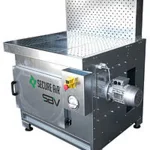
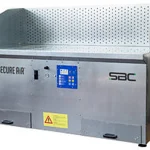
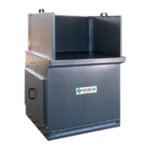
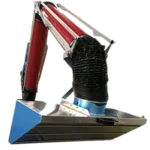
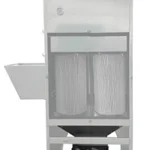
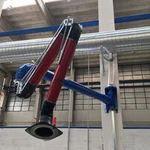
With the right extraction and filtration systems, it is possible to manage this risk in the best possible way and, as always, the most effective method is to capture the dust directly at the source, using extraction benches or mobile purifiers when working on large parts. Extract the dust before it reaches the worker's breathing zone, preventing exposure and helping to prevent contamination of expensive machinery and delicate electronic equipment that may be present in the work area. Once the extraction system has been selected, it is important to remember that it will only work effectively if:
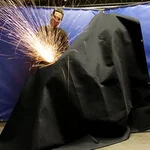
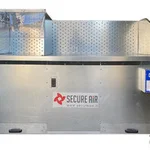
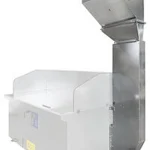
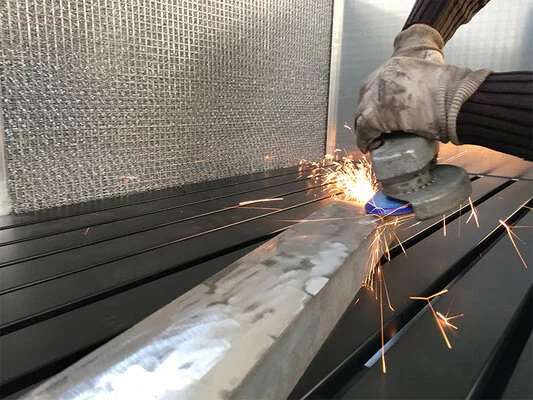
The extraction bench, with a work surface measuring between 1 and 3 meters in length, is the ideal tool for working safely. As can be seen in the video below, fumes and grinding dust are extracted, and the anti-rebound front protects the operator from flying sparks.
 30 days satisfied or refunded
  24 month warranty
  Shipping in 48h
  Secure payments in HTTPS
  Telephone orders




 Secure payments in HTTPS